Queensland-based aerospace companies Gilmour Space Technologies and Hypersonix Launch Systems have signed an agreement to…
Defence launches the 2026 Defence Innovation, Science and Technology Strategy
Defence has launched the 2026 Defence Innovation, Science and Technology (IS&T) Strategy, which it describes as a 10-year blueprint to accelerate the delivery of innovative solutions and new technologies for Defence and strengthen Australia’s sovereign industrial base.
In a rapidly evolving strategic environment, says Defence, the pace of technological change is accelerating and emerging technologies are reshaping the character of warfare. To maintain Australia’s strategic advantage, Defence must be equipped to innovate, adapt and deliver capability at speed.
“Technology is reshaping warfare at a pace we have never seen before,” emphasised Rochard Marles, Deputy Prime Minister and Minister for Defence. “The lessons from conflicts around the world are clear: nations that can innovate faster and adopt new technologies more effectively will have a decision advantage.”
The 2026 IS&T Strategy’s six key capability priorities differ slightly from those in the 2024 document:
- long-range fires and hypersonic weapons (previously two separate priorities)
- high-energy lasers (previously Directed Energy weapons)
- autonomous systems (previously Trusted Autonomy)
- quantum technology
- artificial intelligence
- undersea warfare
The last two are all-new priorities.
“The Defence Innovation, Science and Technology Strategy clearly outlines Defence innovation, science and technology priorities, helping our partners focus their expertise and investment on the areas that will have the greatest impact on Australia’s national security and defence capability,” said Professor Tanya Monro, Chief Defence Scientist.
“This represents a significant step towards deeper co-design and co-development with industry and academia, ensuring research programs are shaped from the outset by shared priorities and real capability challenges, while strengthening research security across the innovation ecosystem,” she added.
“This Strategy will help align research effort, investment and innovation with Defence’s highest-priority needs and strengthen Australia’s strategic advantage.”
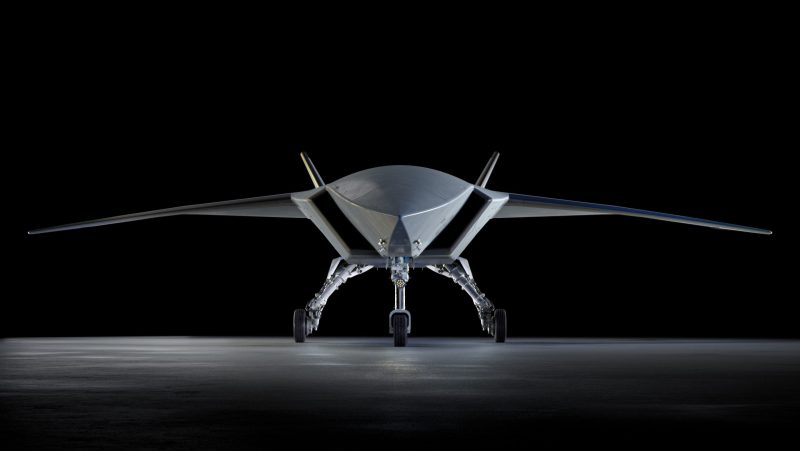
The priorities will be critical to the delivery of capabilities and autonomous platforms for our Defence Force, such as the Ghost Bat uncrewed aircraft and the Ghost Shark autonomous undersea vehicle, said Defence in a media release. They will also support the development of quantum technologies which provide secure navigation and timing in GPS-denied environments, and advanced systems to counter drones and protect Defence personnel and infrastructure – drawing on lessons learned from the war in Ukraine and conflict in the Middle East.
“The Strategy will enable us to transition new technologies to our people sooner through a balanced approach to risk, deeper partnerships with industry, academia and international allies, and a culture of rapid experimentation that allows us to fail fast, learn faster and adapt quickly, said Admiral Mark Hammond, Chief of the Defence Force.
The IS&T strategy is a national endeavour, drawing on and contributing to capabilities across government, industry, research institutions and universities, said Defence. The 2026 IS&T Strategy strengthens these partnerships to accelerate innovation, build sovereign capability and contribute to the peace and security of our region.
Defence also continues to work with trusted international partners to expand collaboration across areas of innovation, science and technology.
Related Posts