The Australian Defence Force and Japanese Self-Defense Force have successfully trialled a High Energy Laser…
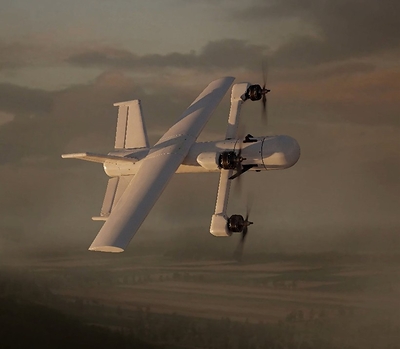
Lockheed Martin unveils MORFIUS™ X-Rotor counter-swarm C-UAS
Lockheed Martin has unveiled its MORFIUS X-Rotor Counter Uncrewed Aerial System (C-UAS), an airborne High Power Microwave (HPM) counter‑drone system designed to neutralize swarms of more than 50 enemy UASs in a single flight and be reused in the field.
Designed for field recovery and reuse, MORFIUS will achieve a significantly low cost per kill, protecting defence budgets while maintaining firepower, the company says in a media release. MORFIUS is sensor and Command and Control (C2) agnostic so is designed to be integrated with sovereign C2 systems. And unlike other airborne counter-drone systems, MORFIUS does not require a unique sensor to command-guide to an engagement, Lockheed Martin adds.
“MORFIUS sets a new benchmark for counter-drone capability – delivering a high kill rate while keeping the cost per kill low,” said Randy Crites, vice president and general manager of Lockheed Martin Missiles and Fire Control Advanced Programs. “By leveraging a lightweight, field reusable high-power microwave architecture, we provide the most effective, low-cost solution on the market today.” This also demonstrates the company’s ability to field innovative, affordable technologies at the speed our American and allied troops need, he added.
To enable rapid service fielding, Lockheed Martin is accelerating prototype production of MORFIUS and its HPM payload. The team is also planning the next series of flight tests, building on recent achievements in Arizona, California and Oklahoma, where it tested flight, intercept and lethality conditions.
Lockheed Martin said this effort directly supports the US Department of War’s 2025-2028 Rapid Response Counter-UAS Roadmap by ensuring forces have affordable, highly effective solutions when they need them most.
MORFIUS is the only ground-launched, field-reusable airborne HPM system capable of delivering more than 50 UAS kills per flight using any C2 system and with no dependence on fire control radars, says Lockheed Martin.
It builds off past variants which have flown since 2017 and leverages the same family of HPM effectors, which have proven they can take down the hardest targets while minimizing collateral damage, says Lockheed Martin.
Related Posts