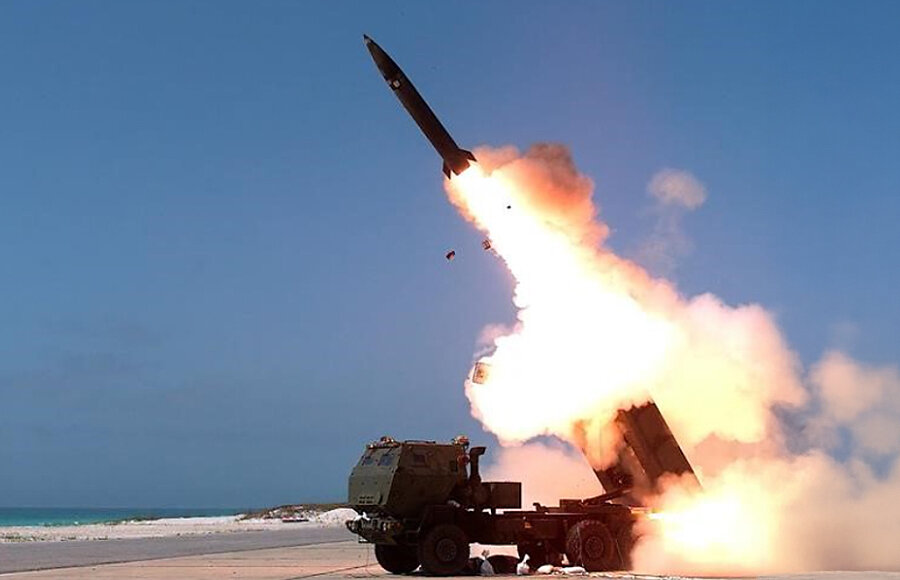
The US Air Force Research Laboratory (AFRL) and Anduril Industries have demonstrated modularity on a…
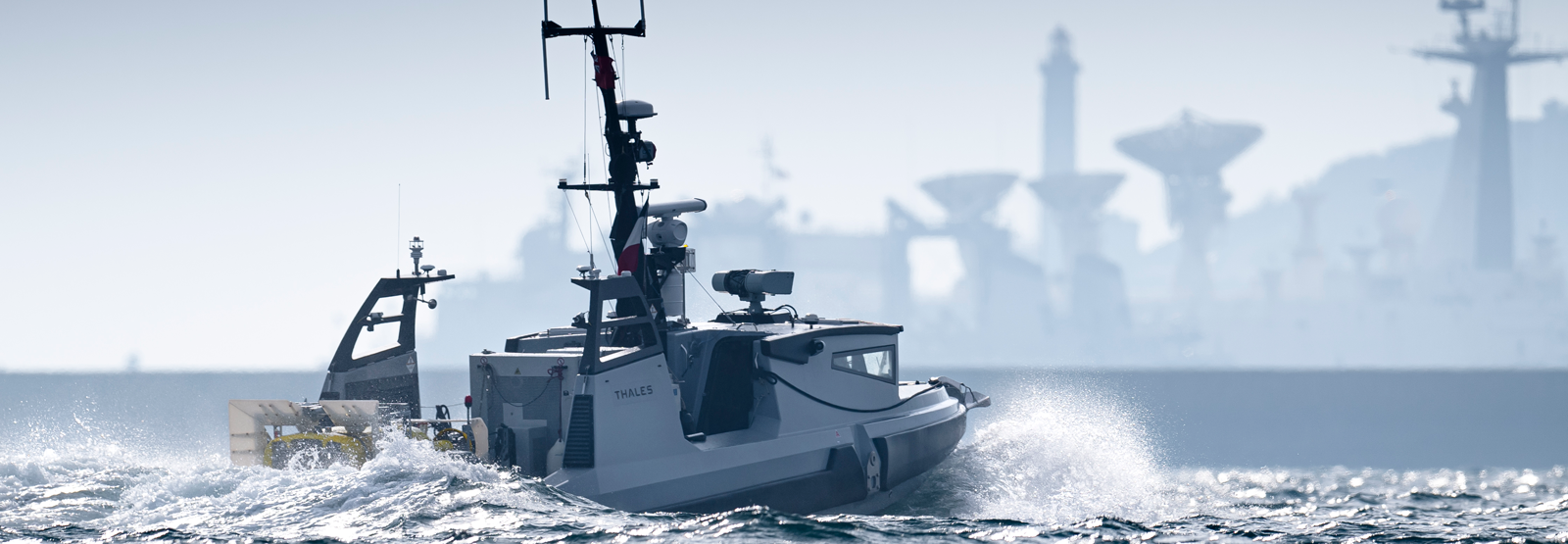
Thales’ Uncrewed Surface Vessel achieves milestone in autonomous MCM
A Thales-supplied Uncrewed Surface Vessel (USV) has taken a significant step towards autonomous mine-hunting operations during trials in the UK. The USV, Royal Navy Motor Boat (RNMB) Apollo, completed a demanding series of Royal Navy and industry open water assurance trials.
The UK Ministry of Defence (MoD) says the trials were run in December 2022 by the Royal Navy Maritime Autonomous System Trials Team (MASTT), supported by Thales. Observing and approving the trials off Weymouth Bay were representatives from the UK Naval Authority and Technology Group (NATG) and the Mine Hunting Capability team from the MoD. This is believed to be the first UK Military clearance of its kind.
The RAN is also planning to acquire an autonomous mine-hunting system under Project SEA1905; Thales Australia is one of the contenders for this program.
The trials took place as part of the Anglo-French Maritime Mine Counter Measures (MMCM) program, which is delivering autonomous capability for both the Royal Navy and the Marine nationale and is designed to keep the UK and France at the forefront of naval autonomous systems technology.
“As the first of their kind, these trials are a significant milestone in the path towards certification of autonomous maritime systems for operational use,” said Alex Creswell, CEO and Chairman of Thales UK. “They represent one of the first important steps in gaining trust in uncrewed vessels in a complex programme. The trial is a critical remote operation stepping-stone towards autonomous mine hunting.”
RNMB Apollo is one of the two pre-production USVs delivered to the Royal Navy and Marine nationale (French Navy) in December 2021 as part of the joint UK-France Maritime Mine Counter Measures (MMCM) program which will bring autonomous mine hunting capability to the two respective Fleets.
With stage two of the contract now in the production phase, Thales is actively working with the customers and will be able to deliver full operating capability to both Nations in 2024.
The tests completed by RNMB Apollo prove remotely controlled USVs can be operated by a team at a shore-based control station, completing a series of tasks, while retaining awareness of the vessel’s course and position utilising line of sight communications systems.
“We have a long tradition of supporting the Royal Navy and Marine nationale in mine warfare, surface ship and underwater operations and we are very proud to be working with them to bring these game-changing autonomous systems into operational service,” said Ms Gwendoline Blandin-Roger, Managing Director of Thales Underwater Systems.
The delivery of uncrewed mine clearance platforms will allow the Royal Navy (RN) to continue their important role of keeping shipping lanes open without putting sailors or crewed platforms into the threat area.
Fitted with a powerful combination of sensors, including radar, LIDAR (light detection and ranging) and electro-optical and infra-red cameras, the vessel’s position was continuously relayed to the command and control centre over a secure communications network.
This connection enabled the command and control software to merge the sensor inputs into a single (Coherent) tactical picture using Thales MCube mission management software. It also allows detection and tracking of other vessels and to take appropriate actions, including remotely controlled avoidance manoeuvres.
Related Posts