Australia has signed a new Security and Defence Partnership with the European Union. Australian Prime…
Lockheed Martin opens new hypersonic Systems Integration Lab
US defence prime contractor Lockheed Martin has opened a 17,000ft2 (1,600m2) Hypersonics System Integration Lab (SIL) at its Huntsville campus. Construction has taken just over one year and the US$17.1 million ($26 million) capital investment underscores Lockheed Martin’s commitment to maintaining US strategic superiority in hypersonic technology by delivering rapid, reliable solutions to defence partners, the company said in a media release.
The SIL will bring together advanced test equipment, state-of-the-art simulation tools and a world-class integration environment under one roof, says Lockheed Martin. The new facility enables reinforcement of a deterrent posture that protects the US and its allies while dramatically shortening development cycles and fielding higher performance systems for the US Army, it adds.
“Built to house advanced engineering and integration capabilities, it will play a pivotal role in positioning Lockheed Martin as the industry leader in hypersonic defence and deterrence technology,” said Jim Romero, vice president of Hypersonic Strike Weapon Systems for Lockheed Martin Space. “We’re proud to celebrate the addition of this advanced hub to our Huntsville campus.”
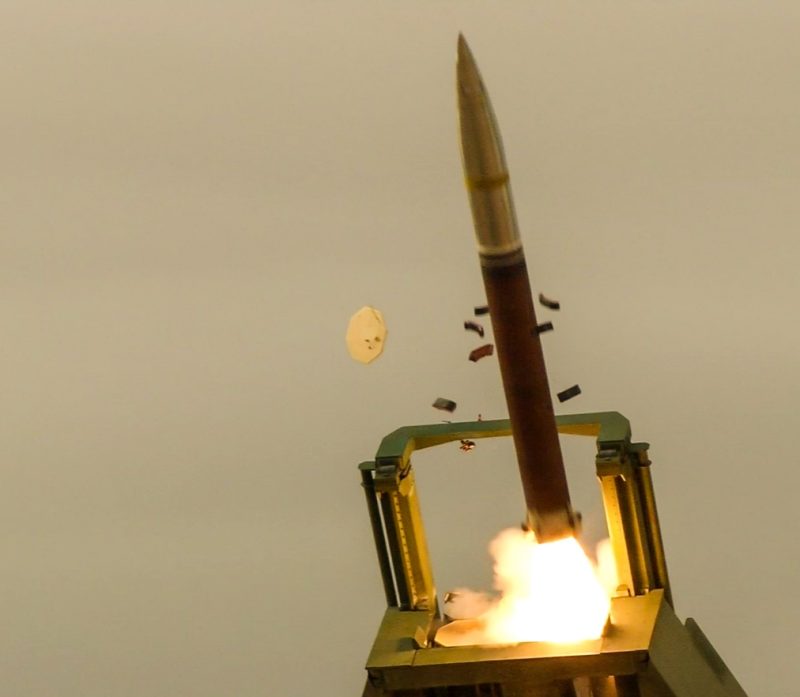
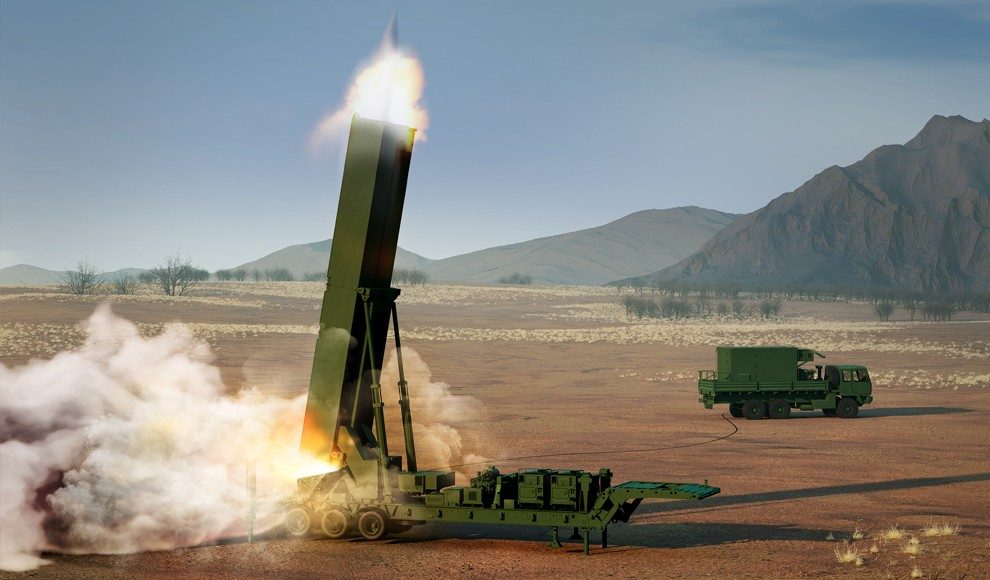
Lockheed Martin manufactures the Long-Range Hypersonic Weapon (LRHW), called the Dark Eagle, for the US Army. The LRHW is a boost-glide system with a range of more than 2,700km. It uses a rocket booster to carry a Common Hypersonic Glide Body (C-HGB) to the right altitude and speed (more than M5) and then releases it to attack the target. It is intended for service with the US Army and also with the US Navy aboard Block V Virginia-class submarines, which the Royal Australian Navy is unlikely to get.
Lockheed Martin is also developing the much lighter Mako multi-mission hypersonic missile that is 13ft long and 13 inches in diameter
As global threats evolve at unprecedented speed, the defence community is turning its focus to technologies that can outpace and outmanoeuvre potential adversaries, the company says. Hypersonic weapons, capable of traveling at five times the speed of sound, have become a central pillar of that modernization effort, it adds.
“Hypersonic weapons are reshaping the future of military defence by delivering unmatched speed and manoeuvrability that outpace traditional threats,” said Holly Molmer, program management director for Lockheed Martin. “Their rapid response capability strengthens deterrence, ensuring potential adversaries understand that any aggression can be met instantly and decisively. As the pace of conflict accelerates, hypersonic systems become essential to preserving peace and protecting national security.”
Since 2021, Lockheed Martin’s Strategic and Missile Defense (SMD) Systems division has invested more than US$185 million ($280 million) to add nearly 408,000ft2 of new and upgraded space. The effort is part of a larger capital program that now totals roughly US$529 million ($$800 million) and 719,000ft2 (66,800m2 ) of facilities under construction or planned. In the last five years, Lockheed Martin Strategic and Missile Defense has spent about US$200 million (around $300 million) on over 400,000ft2 (37,200m2) of infrastructure and is poised to commit another US$500 million ($758 million) to further expand its capabilities.
“Our continued investment in world‑class facilities underscores Lockheed Martin’s commitment to providing the engineers, scientists and partners with the space, tools and collaborative environments they need to stay ahead of emerging threats,” said Johnathon Caldwell, vice president and general manager of Strategic and Missile Defense Systems at Lockheed Martin.
Related Posts