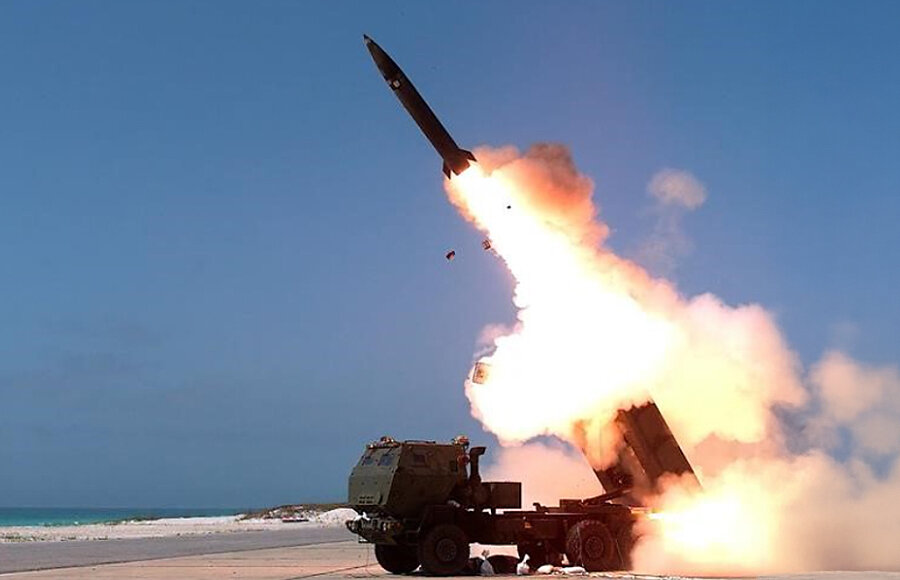
The US Air Force Research Laboratory (AFRL) and Anduril Industries have demonstrated modularity on a…

JIATF-401 commits more than US$600 Million to C-UAS capability
The Pentagon’s Joint Interagency Task Force 401 has committed over US$600 million ($850 million) at what it believes is a record pace to strengthen Counter-Uncrewed Aerial Systems (C-UAS) capabilities in support of Operation Epic Fury, the FIFA soccer World Cup and the US’s homeland defence. This critical milestone, says the US Army, demonstrates significant progress in C-UAS efforts and interagency collaboration.
In support of Operation Epic Fury, JIATF-401 committed US$350 million ($495 million) during the first month of combat operations to meet urgent requirements from US Central Command, Air Combat Command, Air Force Global Strike Command and US Army Transportation Command. These investments protect US war fighters and support the critical power projection platforms the joint force needs to maximize lethality on any battlefield, the US Army says.
As of the date of filing this report, Iran and its proxies were reported to have launched more than 5,400 UASs and missiles at US sites across the Middle East. The United Arab Emirates (UAE) has reportedly been the most impacted with more than 1,900 UAS attacks from Iran during Operation Epic Fury, according to analysts at the Washington DC-based Center for Strategic and International Studies (CSIS) – some Gulf states report successful interceptions of 80 to 90% of all UAS and missile attacks
“This decisive action demonstrates JIATF-401’s ability to rapidly translate operational needs into fielded capability, while also remaining firmly focused on homeland defence,” said Army Brig. Gen. Matt Ross, director of the task force.
JIATF-401 has also committed US$100 million ($142 million) to enhance C-UAS capability for the 2026 FIFA World Cup, focusing on mobile counter-drone technologies to protect stadiums and fan zones in 11 cities across nine states. After the World Cup, these systems will be incorporated into installation and critical infrastructure defence plans, giving installation commanders flexible, mobile assets that can be rapidly positioned against drone threats, says the US Army.
Additionally, JIATF-401 made a new commitment under the Domestic Shield initiative, allocating US$158 million ($224 million) to defend the US’s highest-priority defence infrastructure.
“The speed and scale of these commitments reflect extraordinary coordination across the Department of War and interagency partners,” said Michelle Self, deputy of the rapid acquisition division for the task force. “Efforts that traditionally take years have been executed in months, demonstrating JIATF 401’s commitment to delivering operationally relevant capability at speed. This coordinated, whole-of-government approach remains essential to defending the homeland and sustaining global operations.”
Related Posts