The US Navy has disclosed it is developing the Air Intercept Missile (AIM)-424 Malice Long…
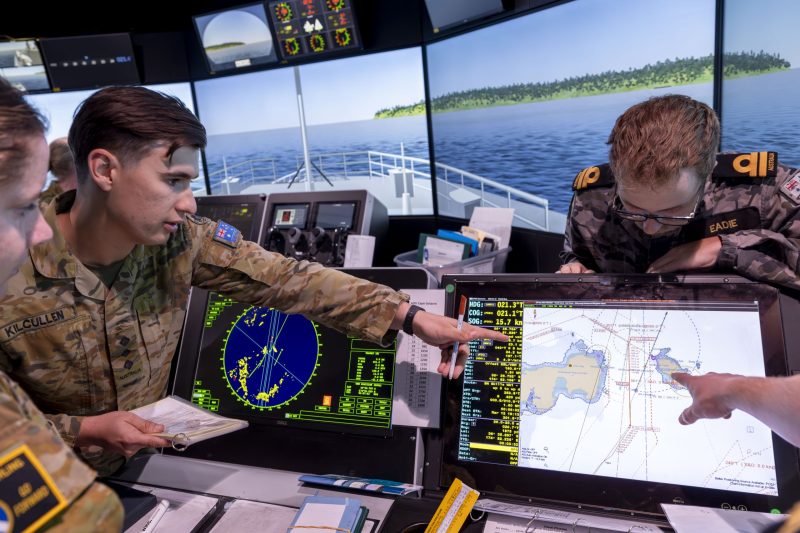
Army establishes littoral manoeuvre group in Brisbane
Defence has established its new Littoral Manoeuvre Group at Gallipoli Barracks, Brisbane. The group will strengthen Army’s ability to move, deploy and support land forces across coastal and island regions, says Defence.
Based in Brisbane, the Littoral Manoeuvre Group Headquarters and the 1st Landing Craft Battalion form the core of a team designed to operate across the Indo-Pacific, supporting Australia’s ability to respond to strategic challenges.
Army’s existing littoral units, 35th Water Transport Squadron and the Littoral Riverine Survey Squadron, have transitioned to the group. This move brings specialist skills together and streamlines command and control within the 17th Sustainment Brigade.
Two additional landing craft battalions will be located in the Northern Territory and north Queensland alongside Army’s combat brigades, strengthening presence across key strategic corridors.
“This capability strengthens our ability to hold adversaries at risk, control strategic land positions and deny access through Australia’s northern approaches,” said LTGEN Simon Stuart, Chief of Army, adding that the group is part of building a future-ready force designed to operate effectively across the complex geography of the region.
Lieutenant General Stuart said Defence was accelerating the acquisition of medium and heavy landing craft, upgraded amphibious vessels and modern facilities to support the group.
The Army’s 18 new Landing Craft Medium (LCM) and 8 Landing Craft Heavy (LCH)will be built by Austal Defence in Henderson, WA, under Project LAND8710. The eight LCHs will be based on the Damen LST100 design and built under a $4 billion order announced in February, while the LCMs will be built under a $1 billion order announced in 2024. The LCMs and LCHs will be built at a consolidated Henderson precinct.
“The group will operate these platforms with a new specialised workforce, giving Army the ability to rapidly deploy and sustain its modernised land force – from Abrams tanks and precision strike weapons to infantry fighting vehicles – across demanding terrain,“ said LTGEN Stuart.
Commander Littoral Manoeuvre Group, Colonel Rory Hale, said the transition of existing units and the development of the new workforce was progressing well.
“Our people are at the heart of this group. Through targeted training, new career pathways and close collaboration with Navy and TAFE, we are building a skilled workforce of confident littoral war fighters that will lead this capability into the future,” he said.
Related Posts