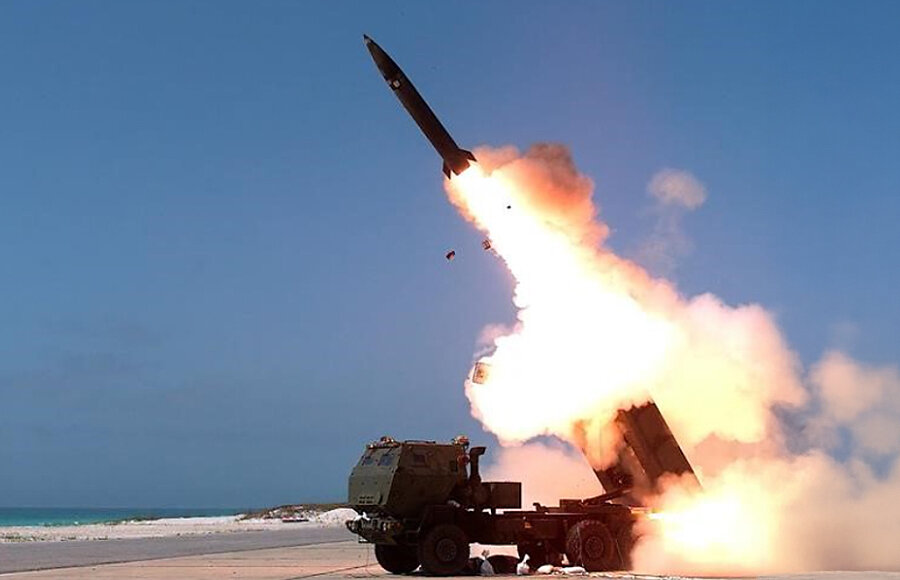
The US Air Force Research Laboratory (AFRL) and Anduril Industries have demonstrated modularity on a…

GA-ASI demonstrates MUM-T with F-22
California-based General Atomics Aeronautical Systems Inc (GA-ASI) has demonstrated Manned-Unmanned Teaming (MUM-T) using its MQ-20 Avenger unmanned jet and a US Air Force (USAF) F-22 Raptor during an autonomous mission out of Edwards Air Force Base. The two platforms were equipped with the latest government reference autonomy software and the test leveraged autonomy and the tactical data link to enable coordination between the platforms, according to GA-ASI.
The mission included a live engagement between the MQ-20 and the F-22 as the command aircraft flown by an onboard human pilot, highlighting the ability to receive and execute teaming commands. In essence the mission was a precursor to Collaborative Combat Aircraft (CCA) missions: GA-ASI is currently flight testing the YFQ-42A Dark Merlin, one of two USAF Increment 1 CCA designs selected by the service to operate with 4.5th, 5th gen and 6th gen crewed fighters. GA-ASI’s MQ-20 Avenger has served as a surrogate CCA for more than five years, both before and since the arrival of GA-ASI’s purpose-built XQ-67A and YFQ-42A aircraft.
“We appreciate the flawless execution of this mission using the government’s advanced autonomous systems,” said David Alexander, GA-ASI’s President. “This demo featured the integration of mission elements and the ability of autonomy to utilize onboard sensors to make independent decisions and execute commands from the F-22.”
The demonstration showcased MUM-T and rapid software integration between the MQ-20 and the F-22, with a tactical data link used for communication and coordination between the two platforms. The MQ-20 successfully exchanged messages with the F-22, and the F-22 was able to send autonomy commands to the MQ-20 via the Autonodyne Bashi Pilot Vehicle Interface (PVI), directing the MQ-20 to execute tactical manoeuvres and adjust waypoints, and perform Combat Air Patrol (CAP) and airborne threat engagement tasks, GA-ASI said in a media release.
This demonstration highlighted the potential of CCAs to act as force multipliers for manned platforms, enabling collaboration between autonomous systems and human pilots, the company added.
Related Posts